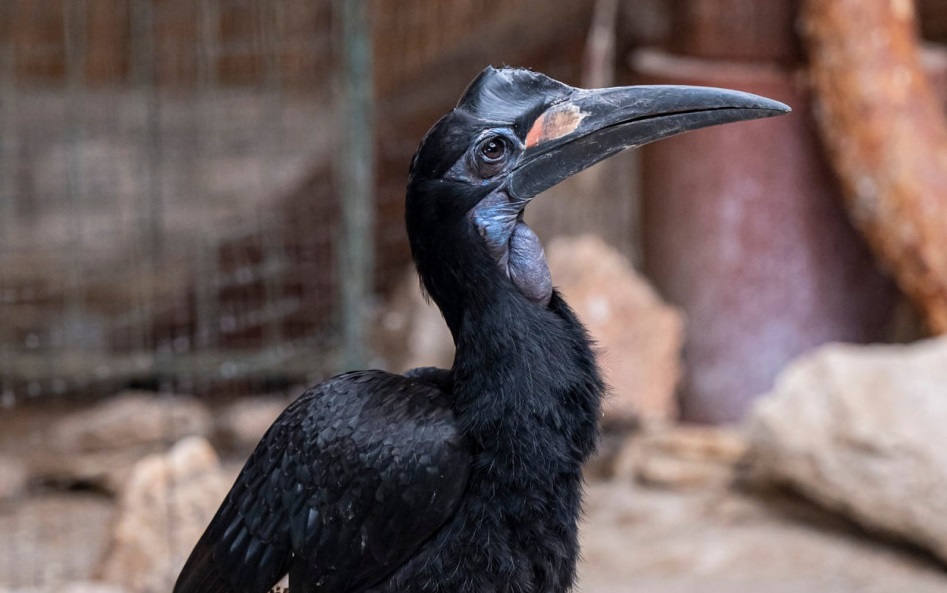
The Debrecen zoo, which offers so many attractions even in the cooler weather, can announce a significant expansion of its collection, because, on October 27, two Abyssinian roe deer eggs arrived from the Montpellier zoo in France as part of the European Species Conservation Breeding Program (EAZA EEP).
The dignified-looking newcomers have already taken possession of their heated winter display in the Africa Flight, where they can be admired together with many other iconic representatives of the black continent’s birdlife. This species, which can be found in a total of 42 institutions across Europe, is being seen for the first time in a Hungarian zoo, and it is hoped that the Debrecen garden will soon be able to welcome a male and report success in breeding over time.
The other living representative of the Abyssinian hornbill (Bucorvus abyssinicus) genus, native to the savannahs, rocky areas, and desert shrubs of Africa north of the equator is its southern relative, the Kaffir hornbill, which was also once introduced in the Debrecen zoo. Both species are characterized by a long, curved beak and a hollow bony outgrowth at its top, as well as a throat lobe, which facilitates heat dissipation and the resonance of vocal signals.
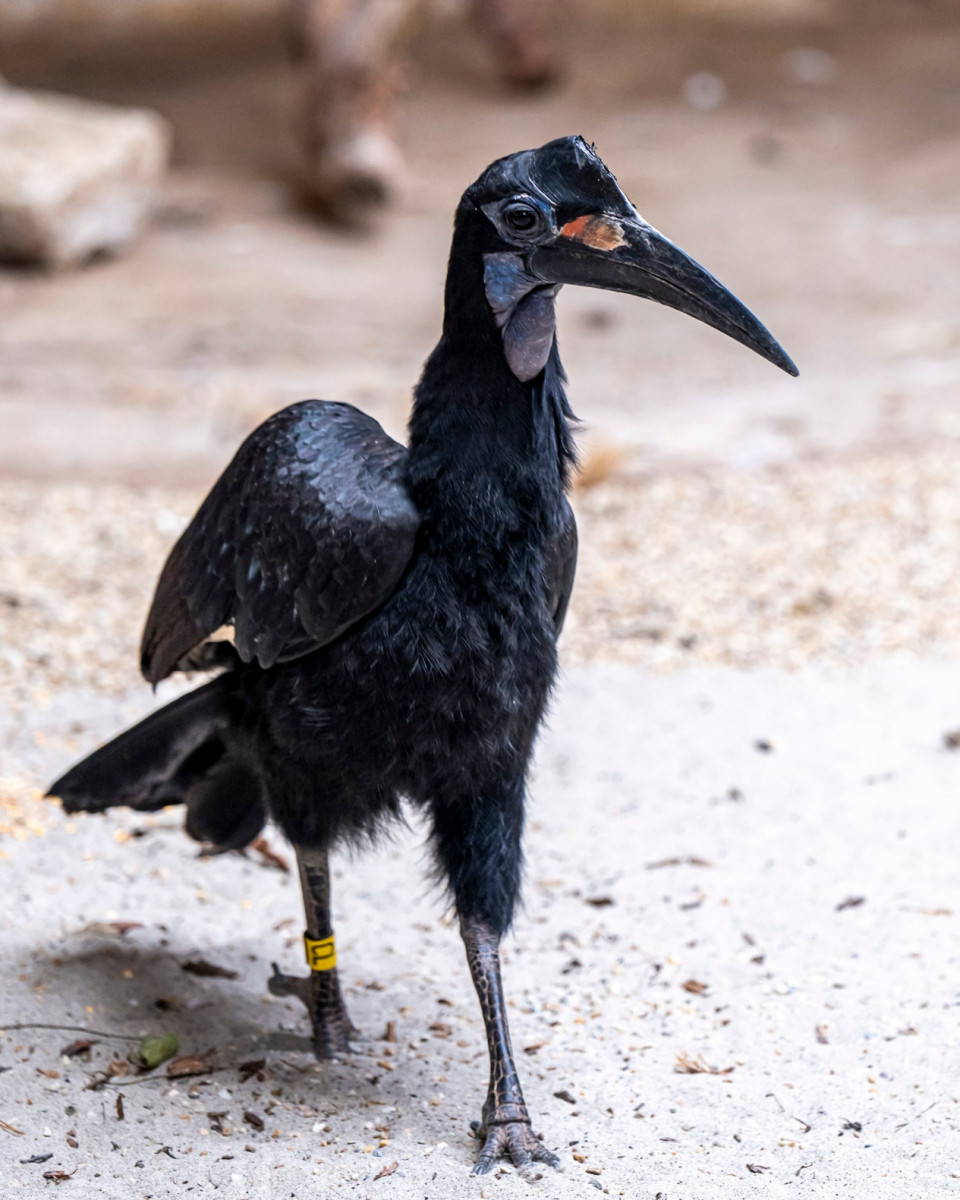
During the day, it searches at ground level primarily for its animal food – reptiles, small mammals, arthropods, less often carrion and fruits – and at night it rests in the canopy of trees. It lives in monogamous pairs, which can form groups of up to 20 people if the habitat is favorable. From egg-laying to fledging, the males take care of finding food, and the offspring can stay close to their parents until they are three years old. A relatively long-lived bird, it can live up to 40 years in human care.
Due to its hunting for food and the increasing felling of trees suitable for nesting, the species has been classified as vulnerable on the Red List of the World Conservation Union (IUCN) since 2018.
debreceninap.hu