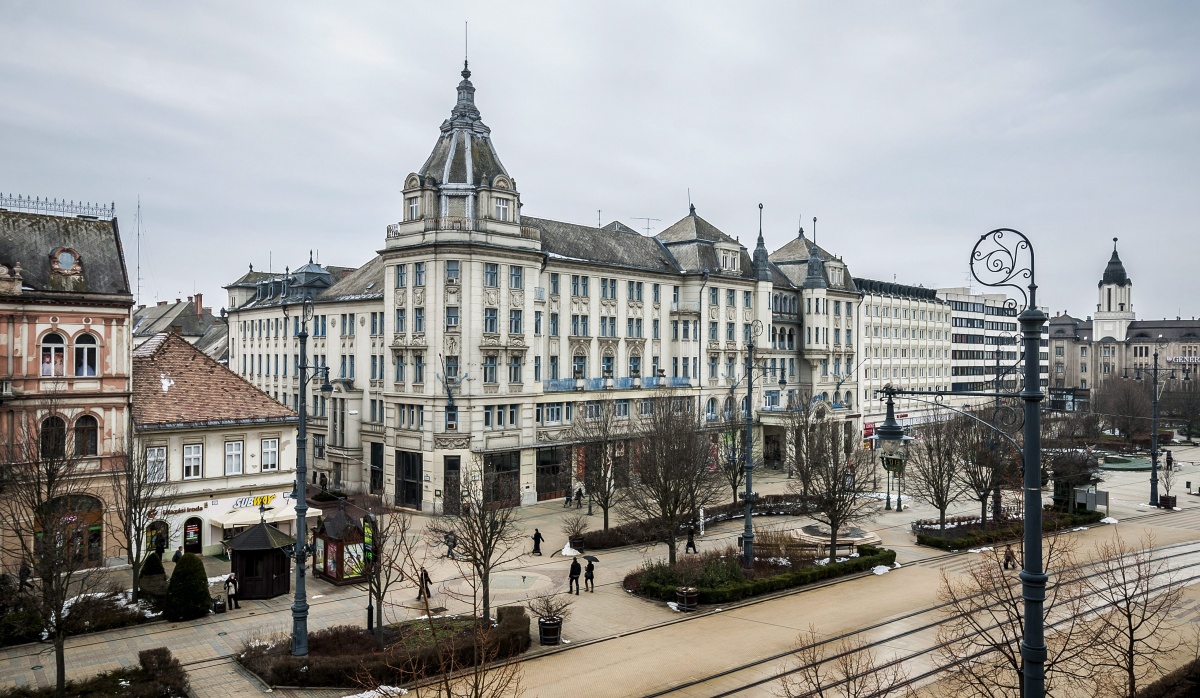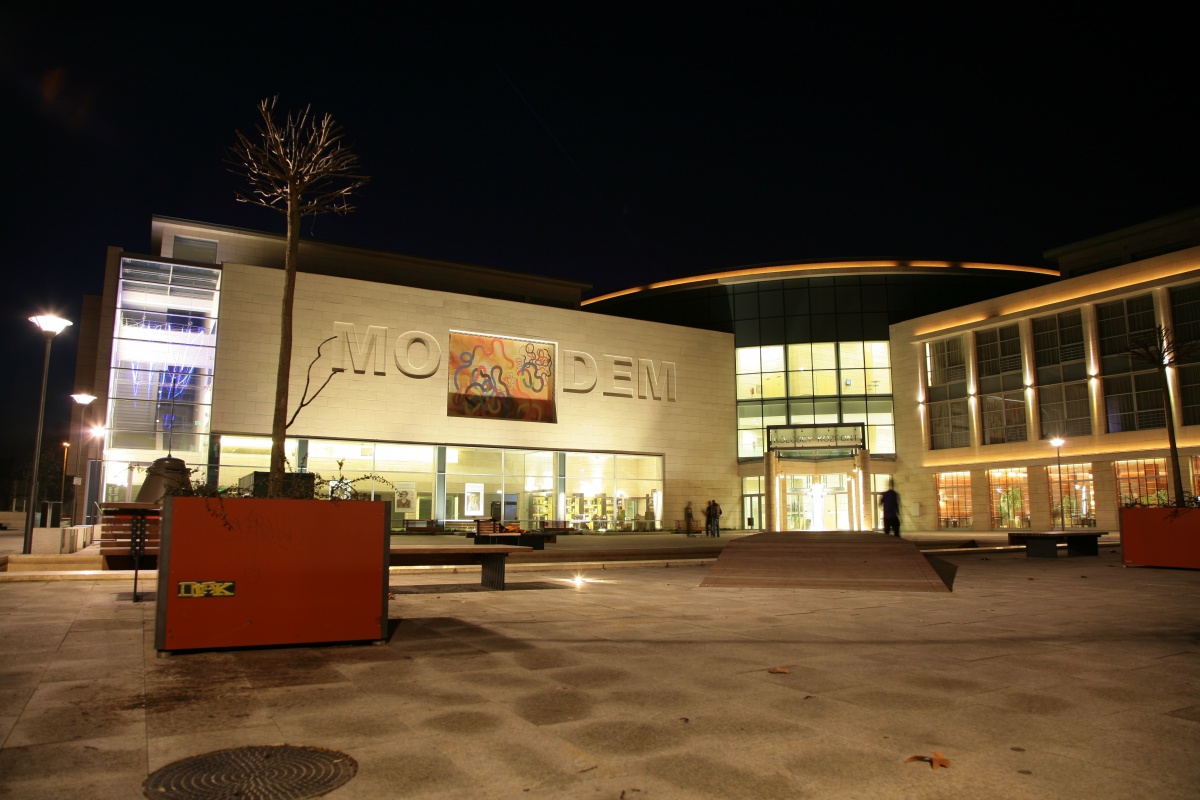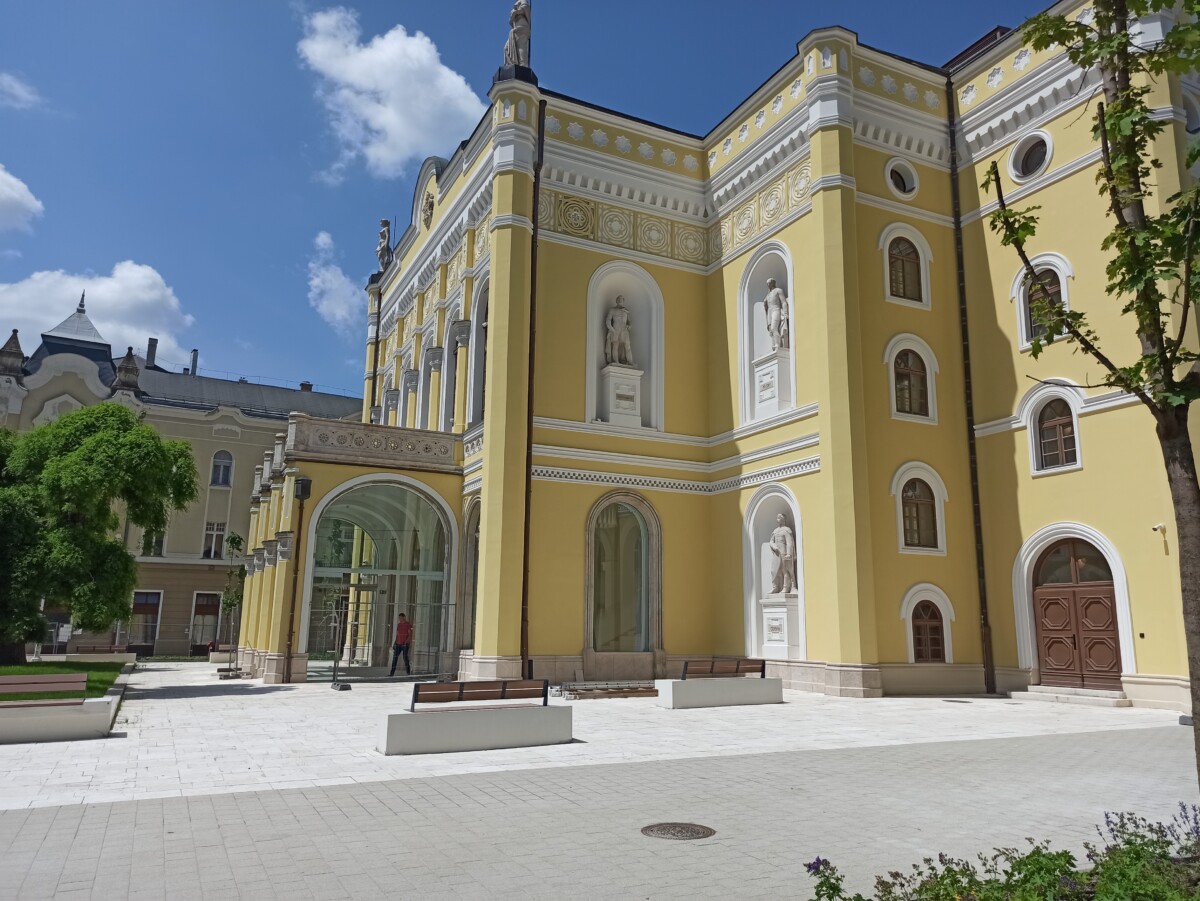
The National Theatre Festival (OSZT) opened on Monday in Debrecen, where this year’s event is being hosted by the Csokonai National Theatre. Over the course of a week, audiences will have the opportunity to see 14 productions as part of the festival’s competition programme.
“There are a few weeks when a city becomes not only the venue but also the heart of something. Today, Debrecen has become the heart of Hungarian theatre life. For one week, the profession, the audience, the past and the future, tradition and renewal all meet here,” said Dániel Vadász, director of the Csokonai National Theatre, at the festival’s opening ceremony. He added that Debrecen is now welcoming those who believe theatre is not merely performance, but also dialogue, community, and reflection.
“It is a special honour that the 160-year-old Csokonai National Theatre can host this prestigious showcase during its anniversary season,” he emphasized.
Vadász expressed hope that the coming days would not only be about performances but also about attentiveness and openness, encouraging participants to approach one another with curiosity and celebrate together an art form that can both hold up a mirror to society and offer hope.
He highlighted that this year’s programme offers a very broad spectrum of productions. As in previous years, seven main-stage productions and seven studio productions will compete. He recalled that 72 theatre companies submitted a total of 108 productions for consideration, with the selection process lasting five months.
According to Vadász, theatre always reflects the way people live together, but it can also help them understand one another better and ask meaningful questions. In addition to the performances, audiences can attend a variety of off-programmes, including roundtable discussions, exhibition openings, dance performances, and events designed for families and children.
Speaking to MTI, the theatre director said that the roundtable discussions would address topics such as safe spaces in theatre and standards of behaviour within the profession, as concerns related to abuse have become more prominent in recent years.
Although no such incidents have occurred at the Debrecen theatre, he noted that a planned production directed by Enikő Eszenyi was removed from next season’s programme because the proposed collaboration caused discomfort among several colleagues. For this reason, the organizers felt it was important to initiate dialogue on the issue among experts from the Hungarian Theatre Society, the Trade Union of Theatre Workers, and the Safe Spaces Foundation.
Vadász also pointed out that the state of opera production outside Budapest has been included among the professional discussion topics, adding that the related roundtable could become an important milestone for the field.
Following the opening ceremony, the book “Music Plays, the Flame Burns. Let the Game Begin.” was presented at the Simor Ottó Orpheum of the Csokonai Forum. The publication tells the life story of the legendary Debrecen opera singer György Tréfás, often referred to as “the country’s most beautiful bass voice.”