


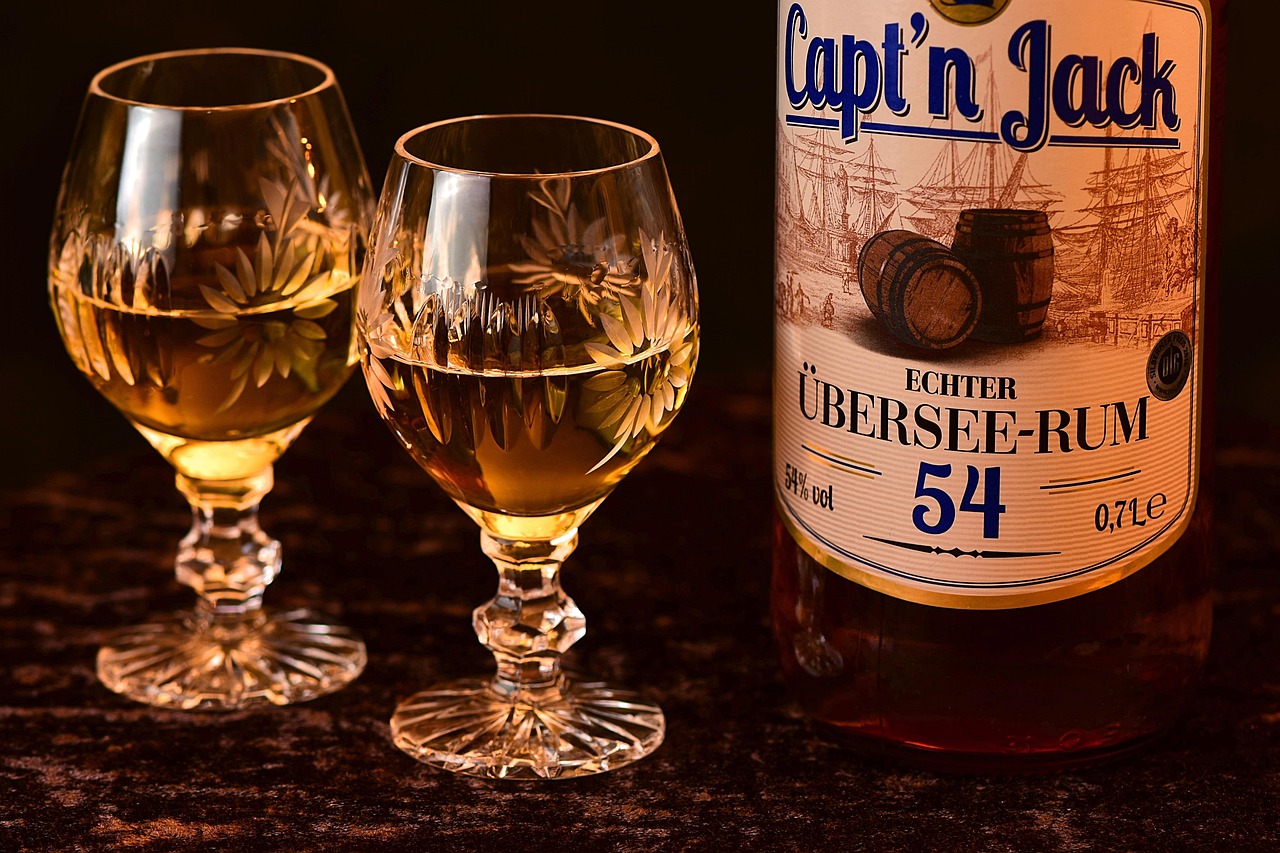
During the winter months, when outdoor temperatures remain below freezing, the enjoyment of hot beverages is heightened. Not as part of everyday life, but after spending a long time outside, a cup of hot tea with a few drops of rum can be very comforting. In this case, the emphasis is on quality and the flavors contributed by the spirit. Depending on the type of rum, the character of the tea is fundamentally altered.
Rum production begins with the harvesting of sugarcane, which is carried out either mechanically or by hand during the dry season. After harvesting, the raw material is processed in a sugar factory: alongside the pulpy residue called “bagasse,” raw sugarcane juice is also extracted. The central ingredient for production is molasses, the byproduct of refining sugarcane juice. The character of the molasses is determined by the number of boiling cycles: after the first light syrup known as light molasses, and the medium and dark versions sold as baking molasses, the primary ingredient for rum production is created—black molasses. This dark, viscous paste carries the defining aromas that form the foundation of the spirit.
In the next phase, the molasses is fermented in large tanks with the addition of yeast. The resulting wash typically has an alcohol content of 5–8%. This is followed by distillation, conducted in pot or column stills, producing a raw spirit with a high alcohol content of around 65–75%.
The final character, texture, and color of the rum are determined by aging in white or red oak barrels. The process is completed through blending, where different types of batches are skillfully combined to achieve the desired flavor balance. Before bottling, the rum is filtered and, within regulated limits, refined with sugar or sweetener to adjust the taste profile. Consistent appearance is ensured by adding distiller’s caramel (E150a).
Tea and rum: a promising pairing
When adding rum to tea, the hot liquid amplifies the aromas, which means that flaws in lower-quality products become much more noticeable.
According to sensory tests conducted by Szupermenta, the highest-rated rums—recommended for their aromatic richness, even with tea—are:
-
Plantation Barbados Grande Réserve
-
Havana Club Añejo 7 Años
-
Bacardi Reserva Ocho (8 years)
And if this has piqued your interest, here is a recipe where the goal is balance between the tea and the spirit, with rum acting as a complementary flavor rather than a dominant ingredient.
Ingredients:
-
2.5 dl high-quality black tea
-
1–2 teaspoons (approx. 0.5–1 cl) high-quality dark rum
-
A thin slice of orange or a piece of cinnamon
Prepare the tea and let it cool to 70–80 °C. This prevents the sudden rise of alcohol vapors from overpowering the subtle aromas of both rum and tea. Add the minimal amount of rum, and optionally garnish with a slice of orange or cinnamon, which highlights the woody, barrel-aged notes of the rum.
While dark rums can enrich the tea, white rums—generally aged for a shorter period—have a cleaner, more neutral profile and are primarily recommended for cocktails.
Article in Hungarian.


