


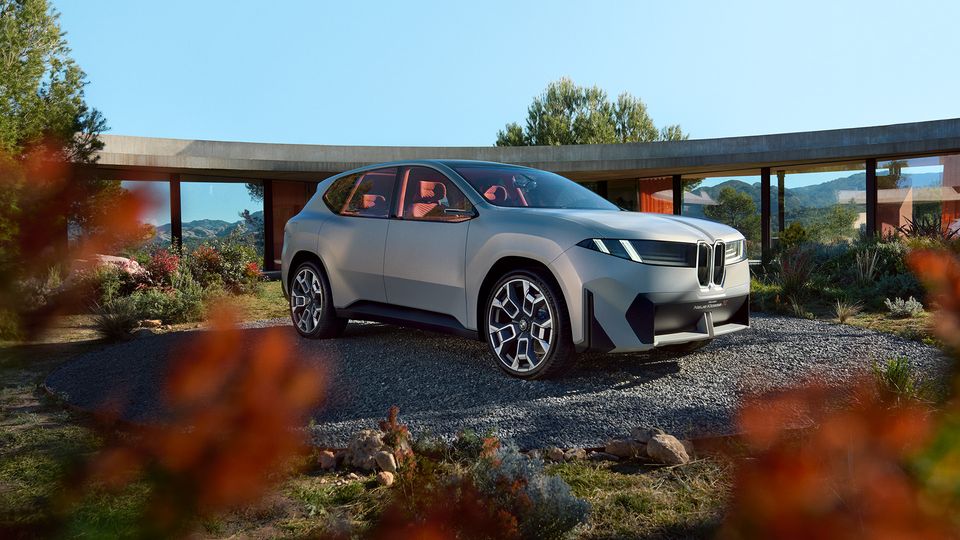
The success of the BMW iX3 is clearly demonstrated by the fact that more than 50,000 orders have been received from European customers in less than six months, and the model has also received international recognition, Hans-Peter Kemser, President and CEO of BMW Group Plant Debrecen, said at the factory’s international press event on Tuesday.
He added that the model produced in Debrecen lays the foundation for the Neue Klasse, BMW’s new vehicle architecture developed exclusively for fully electric vehicles. The iX3 serves as the pioneer of this platform, with around 40 additional models planned for launch in the future, all of which will be produced worldwide based on this architecture.
Built according to the iFACTORY concept, the Debrecen plant represents the future of manufacturing. It is characterized by digitalization, exceptional efficiency, and responsible resource management, the CEO emphasized. He noted that production currently runs in two shifts, manufacturing 30 vehicles per hour, but due to strong demand, additional shifts will likely be required.
“New plant, new product, new platform, new battery, new technology,” Hans-Peter Kemser said, positioning the Debrecen facility within the global automotive manufacturing landscape.
The Debrecen plant, which opened in the autumn of 2025, is the newest and most advanced member of the BMW Group’s global production network and a key driver of regional development. Beyond manufacturing, it also contributes to the creation of a knowledge-based, innovation-driven regional economic ecosystem, according to information presented at the event.
On more than 400 hectares in Debrecen, BMW Group has built a complete vehicle manufacturing facility, including a press shop, body shop, paint shop, assembly plant, and battery module assembly operations. The company invested more than €2 billion (approximately HUF 820 billion) in the site, where only fully electric vehicles have been produced since 2025. The factory is expected to manufacture around 150,000 vehicles annually.
During the full-day event, journalists were shown the most important areas of production, including the press shop, which plays a key role in achieving high productivity, the body shop, where nearly 1,000 robots operate within a fully digitally designed system, and the paint shop, which runs entirely on electricity from renewable energy sources, significantly reducing CO2e emissions.
Company representatives also explained that the factory does not use fossil fuels and operates exclusively on electricity. One quarter of its energy demand is supplied by a 56-hectare solar power system, while advanced energy recovery systems, photovoltaic power generation, and thermal storage solutions are also utilized.
The Debrecen facility is the first of five BMW Group plants worldwide to assemble sixth-generation high-voltage batteries on site, in line with the “local for local” principle. This approach ensures short transportation routes, close integration with vehicle production, and a high level of supply security.
By directly connecting battery assembly with vehicle production, the Debrecen plant sets a new benchmark for efficiency and innovation in electric vehicle manufacturing, company officials noted.
Hans-Peter Kemser also emphasized that the commitment, dedication, and expertise of employees are essential to the plant’s success. For this reason, BMW places particular emphasis on people, training, and long-term partnerships.
For example, the University of Debrecen operates an external department on the factory premises, while dual education and practice-oriented learning models allow participants to gain real industrial experience during their studies and open up long-term career opportunities within the company.
The Debrecen BMW plant also places special emphasis on environmental sustainability. Fruit trees have been planted in the areas between factory buildings, and employees will harvest the fruit together. Yurts have also been installed, providing spaces where workers can relax.
On larger undeveloped areas, wildflower meadows support pollinators, while in green spaces around the factory, sheep graze instead of lawnmowers operating—an unusual but environmentally friendly feature of BMW’s Debrecen automotive plant.


