


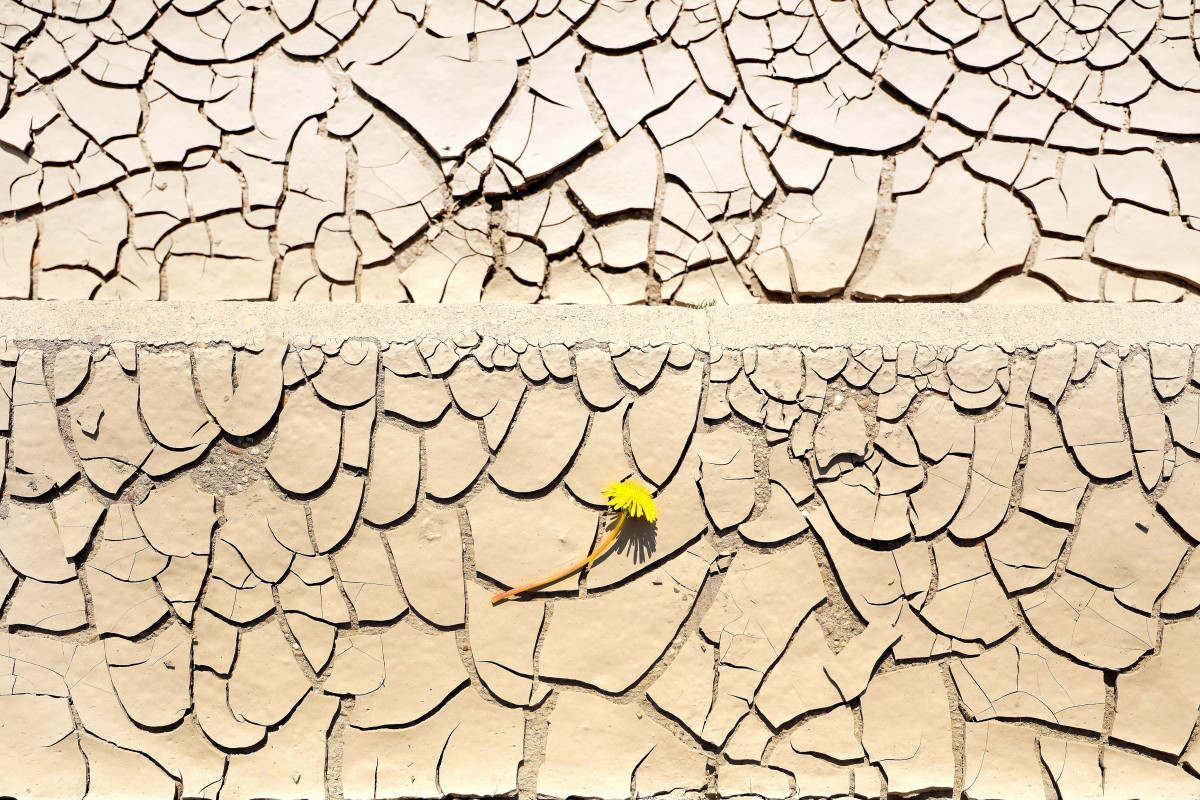
Spring 2025 was the ninth warmest and the third driest spring in Hungary since 1901, according to the Hungarian Meteorological Service, HungaroMet.
According to the seasonal summary video, this spring was 1°C warmer than average nationwide, with a mean temperature of 12.1°C, making it the ninth warmest spring since records began in 1901.
Among the spring months, March stood out the most, with temperatures 2.5°C above average, making it the eighth warmest March since 1901. May was nearly 1°C warmer than usual, while April was slightly cooler than the 1991–2020 average.
Until the end of March, daily mean temperatures remained consistently above average, but the season saw three significant cold spells. The first occurred between April 9 and 12, when nighttime temperatures dropped below freezing across much of the country, reaching between -1°C and -4°C, causing serious damage to orchards. Another influx of cold, dry air arrived at the end of April, and in the early hours of May 1, temperatures fell well below 0°C in several regions, dropping below -5°C in some places and causing severe damage to vineyards and fruit plantations. The third cold spell arrived on the morning of May 13.
According to preliminary HungaroMet data, the nationwide average precipitation for the season was 79.2 millimetres, only 57 percent of the 1991–2020 average. All three spring months were drier than normal: March received 34 percent less rainfall than average, May 18 percent less, and April 90 percent less. As a result, April 2025 was the second driest April, while spring 2025 was the third driest spring since 1901.
The analysis noted that the upper layers of the soil dried out rapidly, making sowing difficult and hindering the emergence of newly planted crops. By the first week of May, nearly 100 percent of the country was experiencing severe or extreme drought conditions affecting shallow-rooted row crops. By the end of April, soil conditions resembled those typically seen during summer droughts: the upper 30 centimetres were extremely dry and dusty, while the 30–60 centimetre layer had also become critically dry across the Great Plain and the Mezőföld region.
Regarding seasonal records, the meteorological service reported that the highest daytime temperature was recorded in Újpest, Budapest, on May 27, reaching 34.4°C. The lowest temperature of the spring was measured in Nyírtass on April 11, when the mercury fell to -7.4°C.
The highest amount of rainfall during the season was registered in Bakonybél, with 183.8 millimetres. The lowest total precipitation was recorded at the Debrecen-Kismacs station, where only 27.5 millimetres fell.
The greatest amount of rain in a single day was measured in Baja on May 16, when 78.2 millimetres fell.
The analysis also highlighted that, according to data from the European Union’s Copernicus Climate Change Service, spring 2025 was the third warmest spring globally and across Europe.
Above-average temperatures dominated much of the United States, several regions of the Arctic, Central Asia, Russia’s Far East, and Antarctica. Meanwhile, below-average temperatures were recorded in Alaska, Canada, the Middle East, Siberia, and northern Australia.
Across Europe, temperatures were generally above average, especially in northern Scandinavia, western Russia, and western Europe. In contrast, spring was cooler than usual in Turkey and the eastern Balkans.


