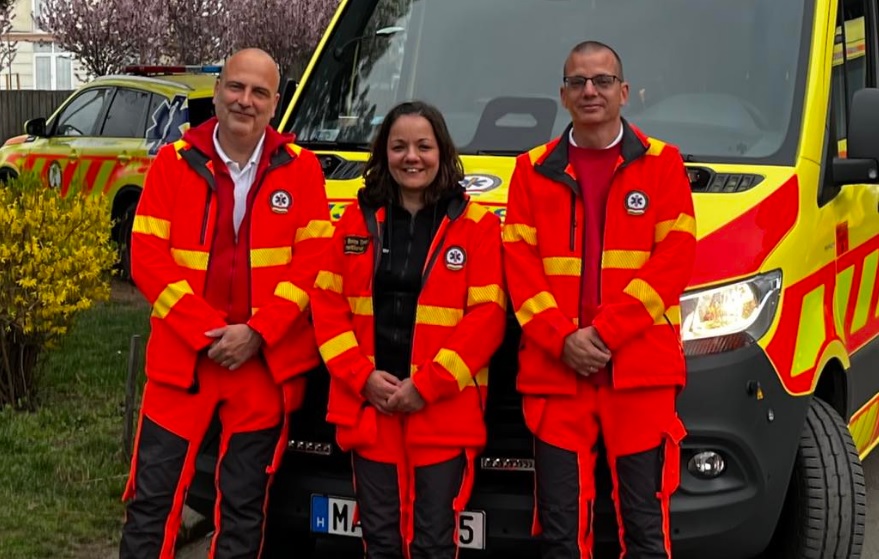
The Hungarian National Ambulance Service reported a shocking incident: during an emergency call, the caller alerted paramedics but refused to take part in life-saving efforts.
According to the report, a man was lying motionless on the street next to his fallen bicycle. Following protocol, the dispatcher immediately began instructing the caller, asking them to approach the victim, try to speak to him, and check whether he was breathing. The response, however, was startling: the caller refused to provide any assistance, claiming they were in a hurry and had urgent matters to attend to.
Despite the dispatcher emphasizing the importance of immediate intervention and how crucial seconds can be in the case of cardiac arrest, the caller was unwilling to cooperate.
The worst-case scenario soon became reality: when the ambulance unit arrived within minutes, they found the man with no signs of life. Paramedics immediately began advanced resuscitation, which, after a prolonged effort, proved successful—the patient’s circulation was restored. After receiving treatment, he was transported to hospital in stable condition.
The National Ambulance Service stressed that in such situations, bystanders play a crucial role. Those who follow the dispatcher’s instructions and begin first aid immediately can significantly increase the chances of survival.
The organization emphasized that calling an ambulance is not enough. They urge everyone not to remain passive in emergencies and to start providing first aid until professionals arrive.