As another step in advancing patient care, the Clinical Center of the University of Debrecen has introduced the use of digital ECGs into everyday clinical practice, first at the Emergency Clinic. This innovative system significantly contributes to faster, more accurate, and safer patient care, while also providing high-quality data that can be retrieved and reviewed in the long term.
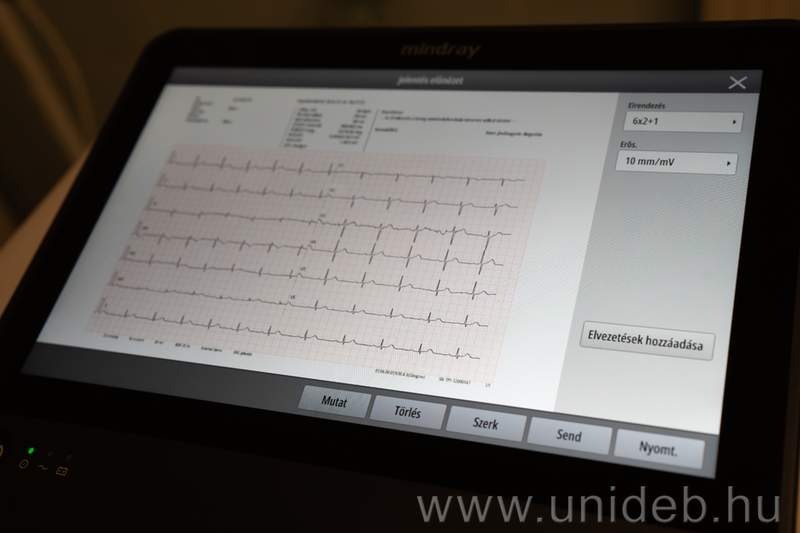
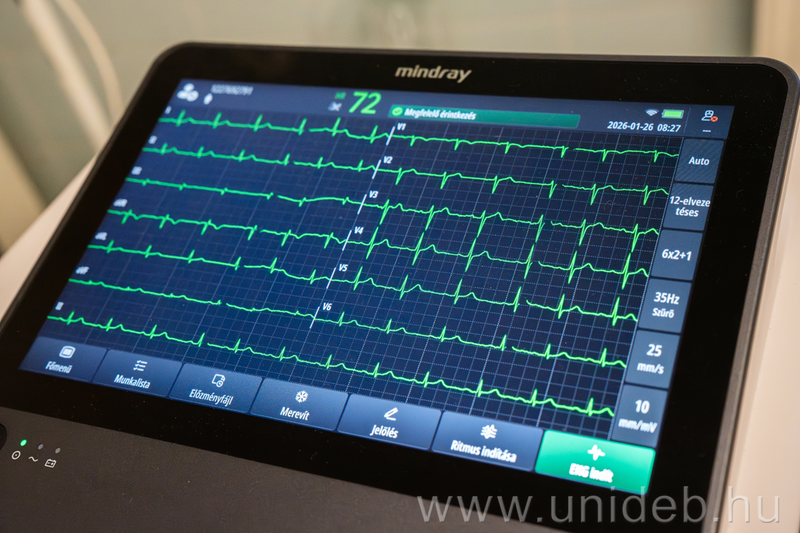
At the Emergency Clinic of the University of Debrecen Clinical Center, the patient admission process is supported by a modern and efficient IT system. Following registration, each patient is identified with a unique barcode that links the complete medical documentation—including examination results and 12-lead digital ECG recordings—into a single, integrated record.
ECG recordings are automatically uploaded into the electronic patient record system and included in the discharge summary. As a result, the recordings are not only produced in excellent quality but are also accessible at any time, allowing retrospective review and analysis. The system enables precise monitoring of changes in a patient’s condition and comparison with previous results, providing substantial support in evaluating disease progression and making therapeutic decisions. This modern, integrated solution greatly enhances the efficiency of emergency care and the reliability of diagnostic processes, especially in the early detection of cardiac risks and the need for immediate intervention.
“The use of digital ECGs is not merely a technological upgrade, but also represents a shift in mindset in patient care. In emergency medicine, rapid decision-making and immediate access to reliable data are crucial—every minute counts. It is therefore essential that physicians can base their decisions on fast, trustworthy, and instantly accessible information. This new digital system delivers exactly that level of safety and efficiency: it integrates patient data, reduces the potential for errors, and significantly increases patient safety. In addition, it provides meaningful support for medical work by enabling retrospective data analysis and precise tracking of changes in patient status,” emphasized Professor Zoltán Szabó, President of the University of Debrecen Clinical Center.
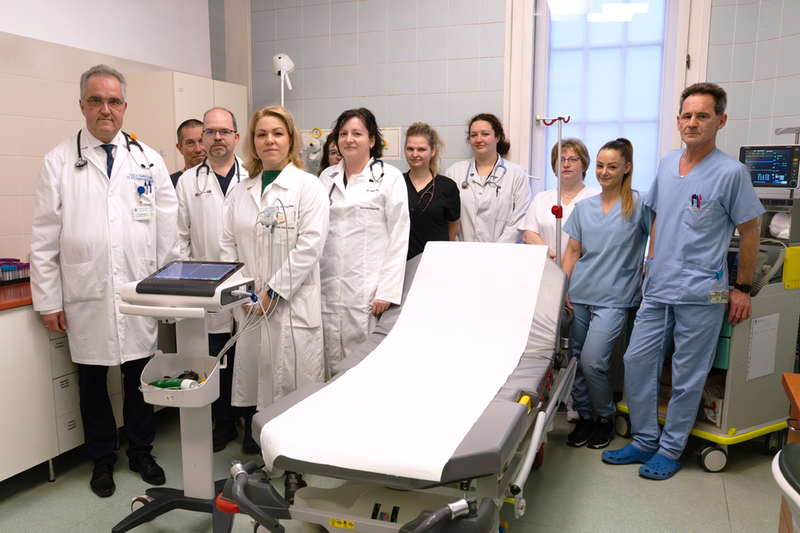
Beyond patient care, the new system also supports scientific and research activities carried out within the Department of Emergency Medicine of the Faculty of General Medicine, as it is capable of measuring specific ECG markers essential for many clinical studies. In this way, the Clinical Center not only improves the quality of care but also strengthens its role in research and education.
The introduction of digital ECG technology marks the first step in the Clinical Center’s comprehensive digitalization strategy. Based on the experience gained, there are plans to expand the system to additional clinics in the future, ensuring that this innovative solution benefits an even wider range of patients and healthcare professionals.
(unideb.hu)