



Nearly 6,500 people attended this year’s International Food Day, the highest number ever. The highly successful event was organized by the Student Union of the University of Debrecen and the International Student Union (ISU). This year, visitors could taste specialties from 36 different nations at the northern event area of the Nagyerdei Stadium, while young musical talents and bands from the international student community entertained the audience until dawn.
Food is an integral part of our culture, as shared meals have accompanied many significant moments throughout history. A month ago, a study published in the international scientific journal Nature highlighted the role of diet in depression, dementia, and other neurological conditions. The essence of the publication is that diet influences brain metabolism. Eating habits can affect the course of neurodegenerative diseases, help preserve intelligence, and also have an impact on social relationships, interactions, and mood.
“There are nearly 7,800 foreign students at this university, representing 134 countries, yet they form one community. This is a place of peace, the country’s oldest and largest university, which is able to bring its student community together. We can be proud of this,” said Zoltán Szilvássy, Rector of the University of Debrecen.
The aim of the university’s largest student event has remained the same for 21 years: to bring together international students and help them integrate into the university community, giving them the opportunity to present their cultures through gastronomy.
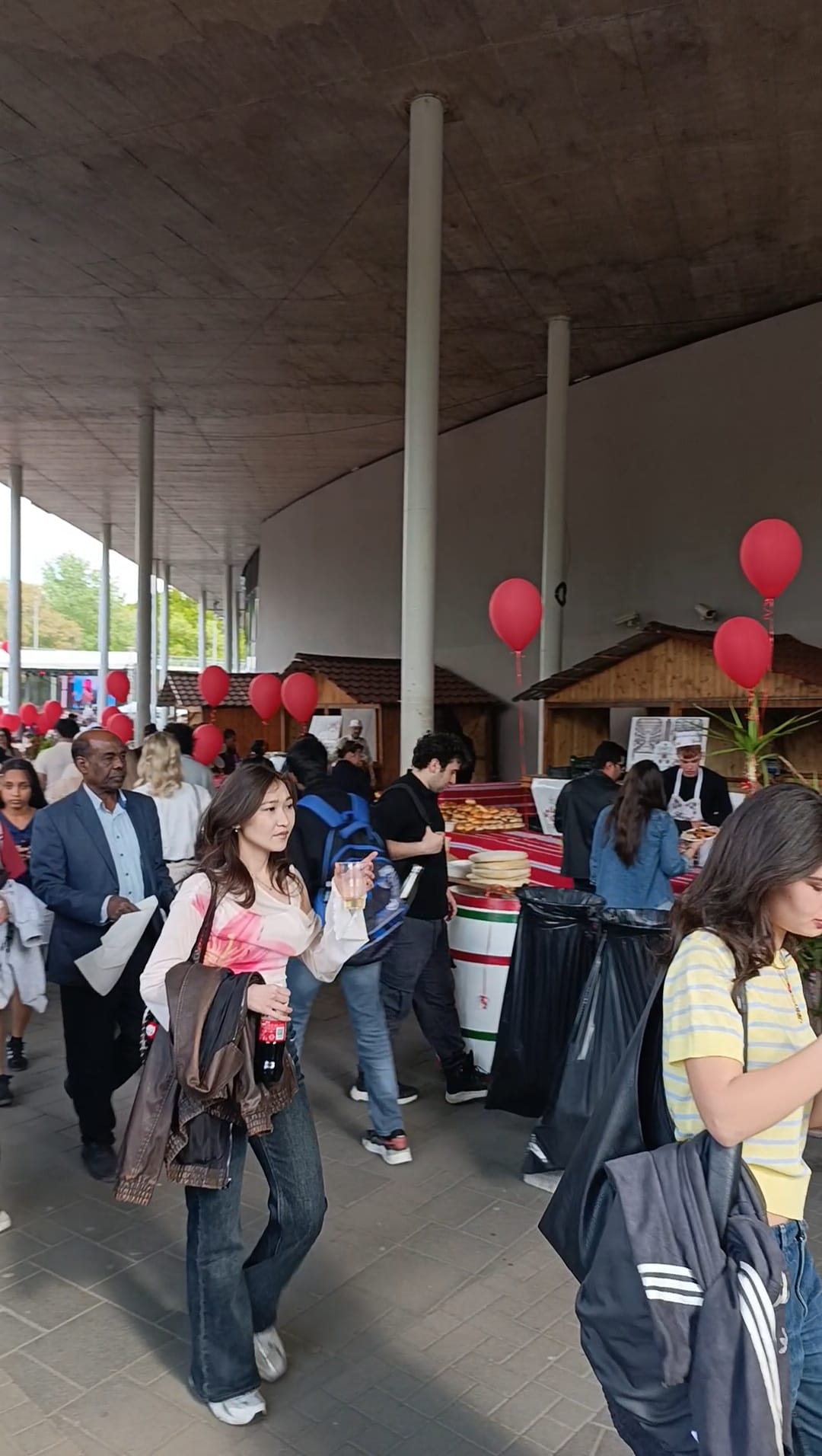
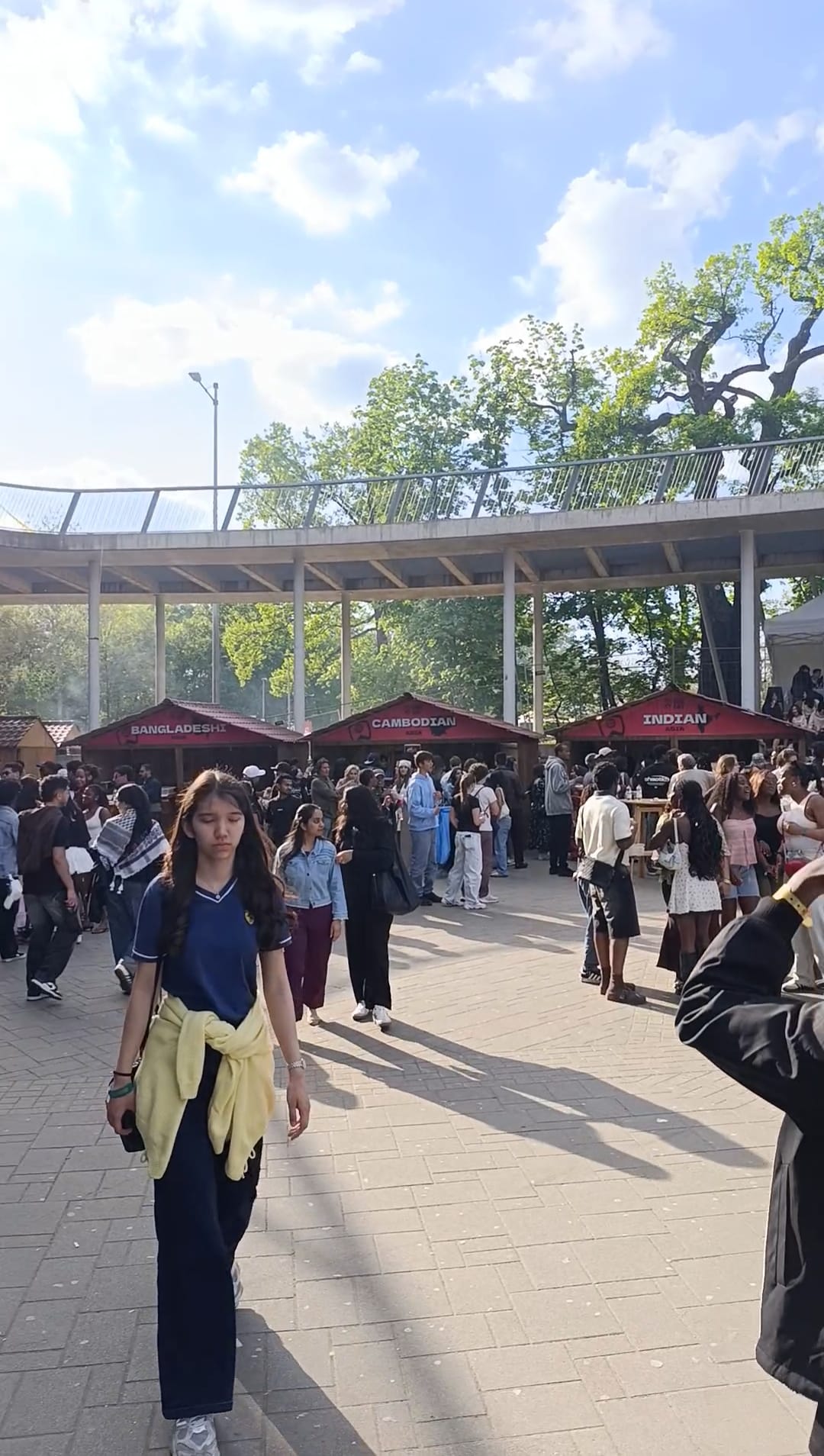
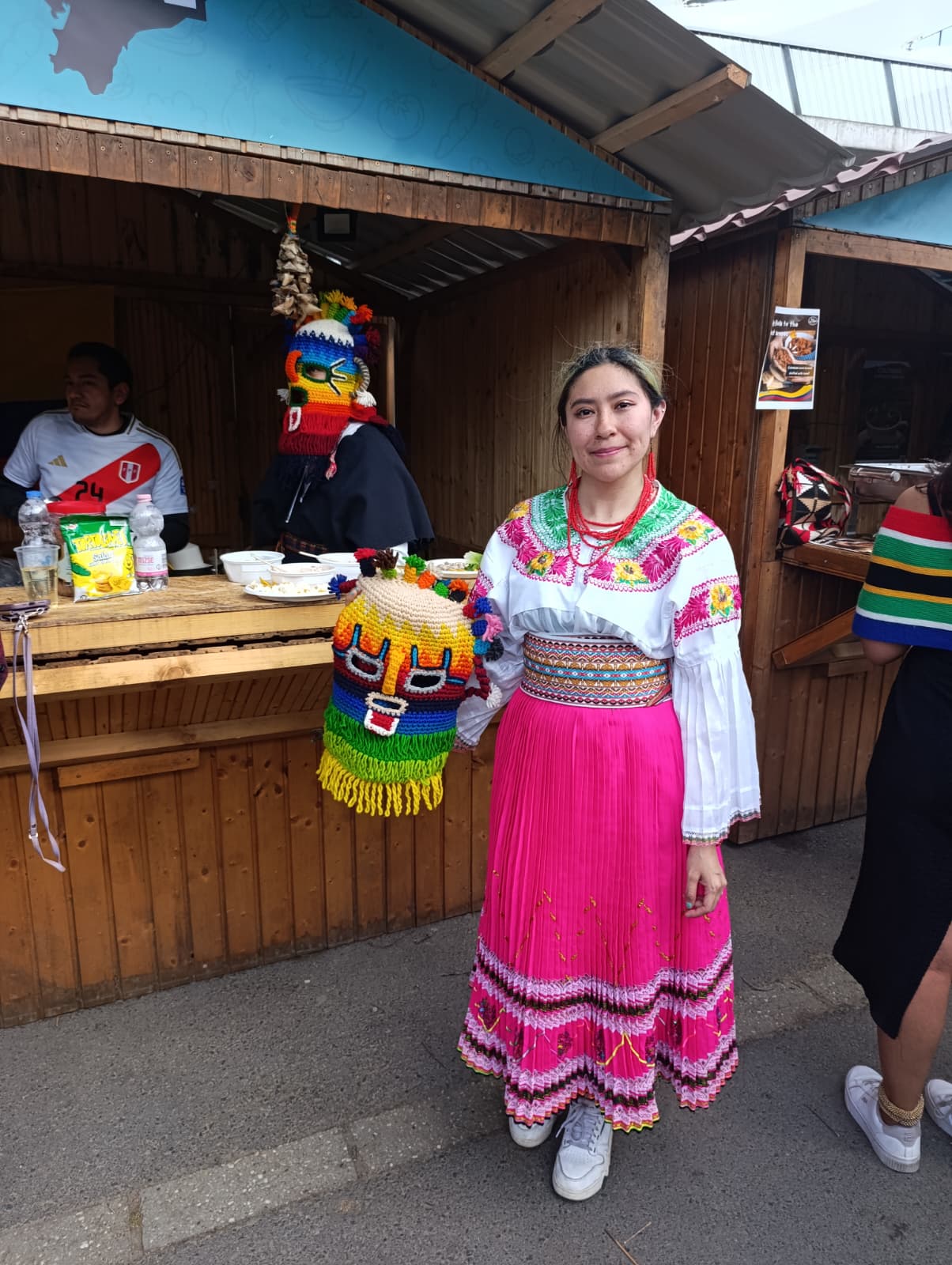


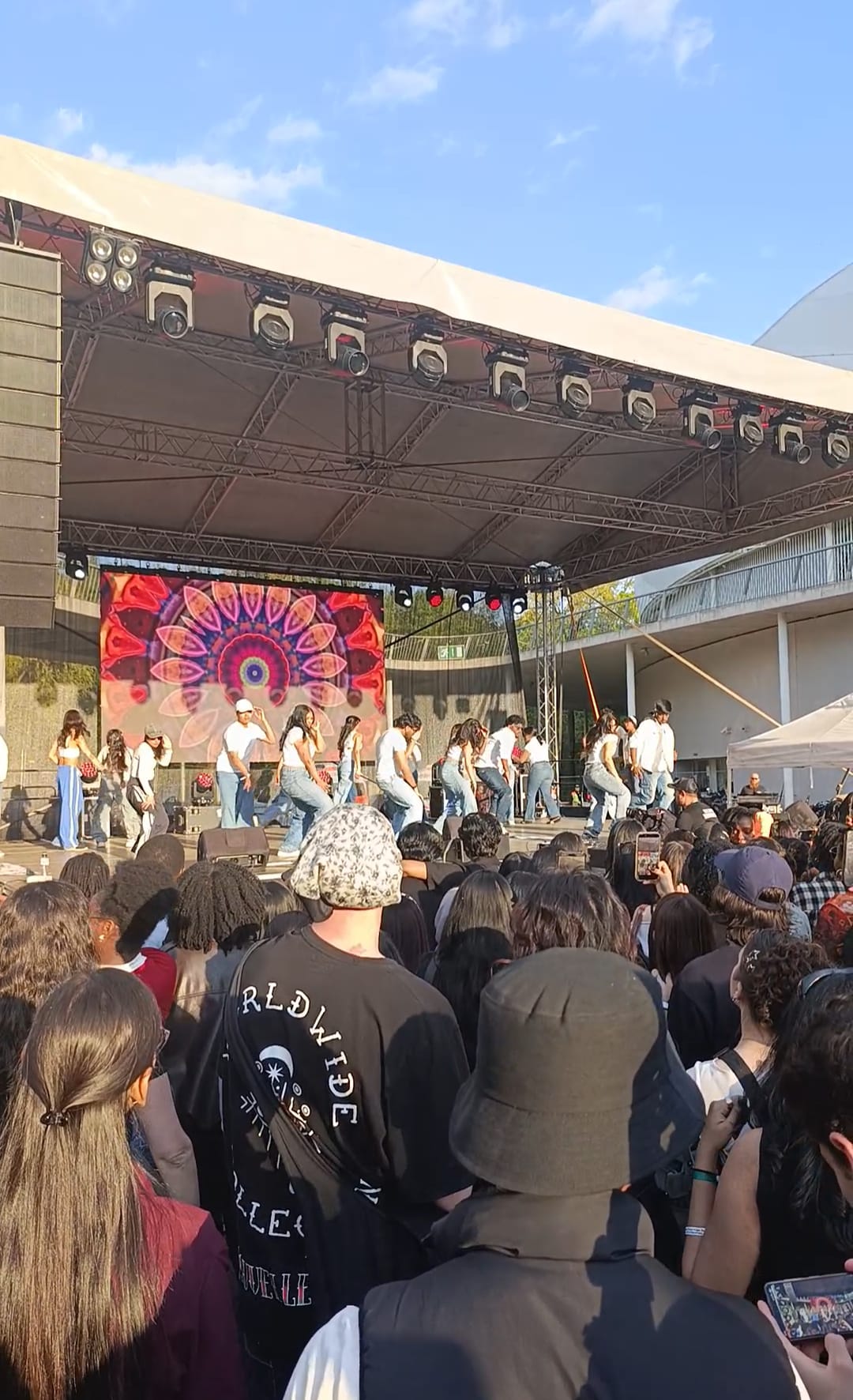
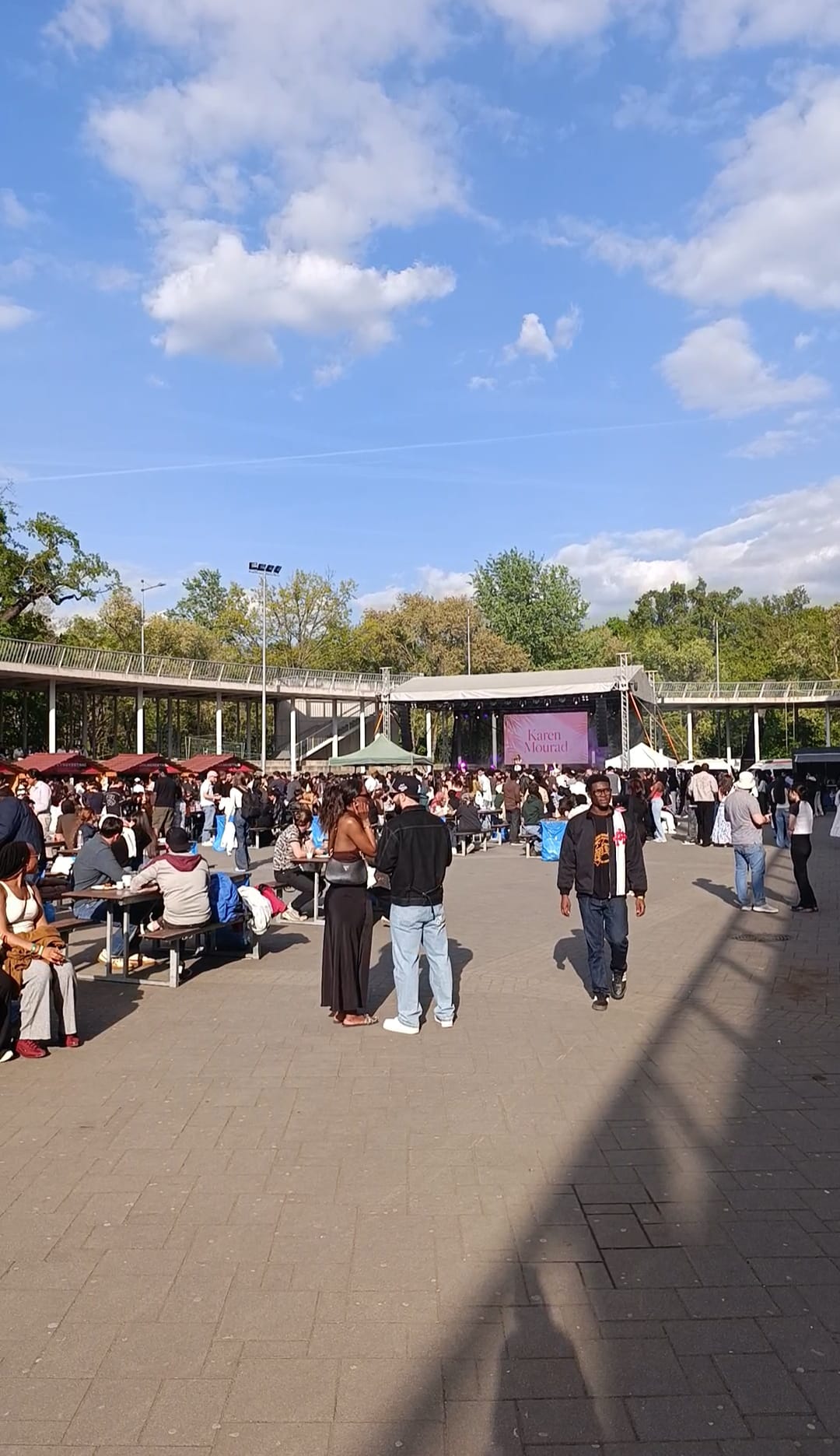
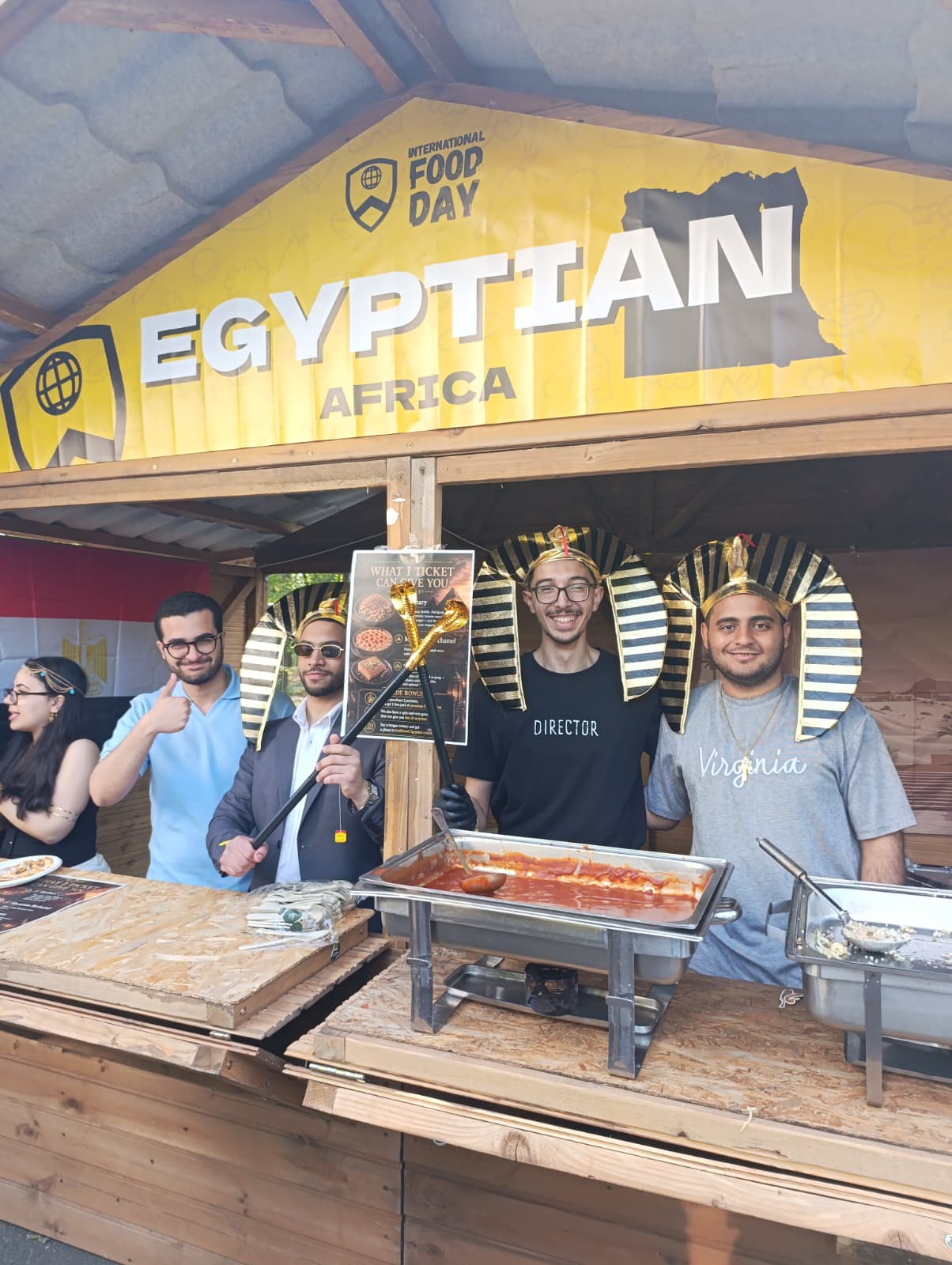
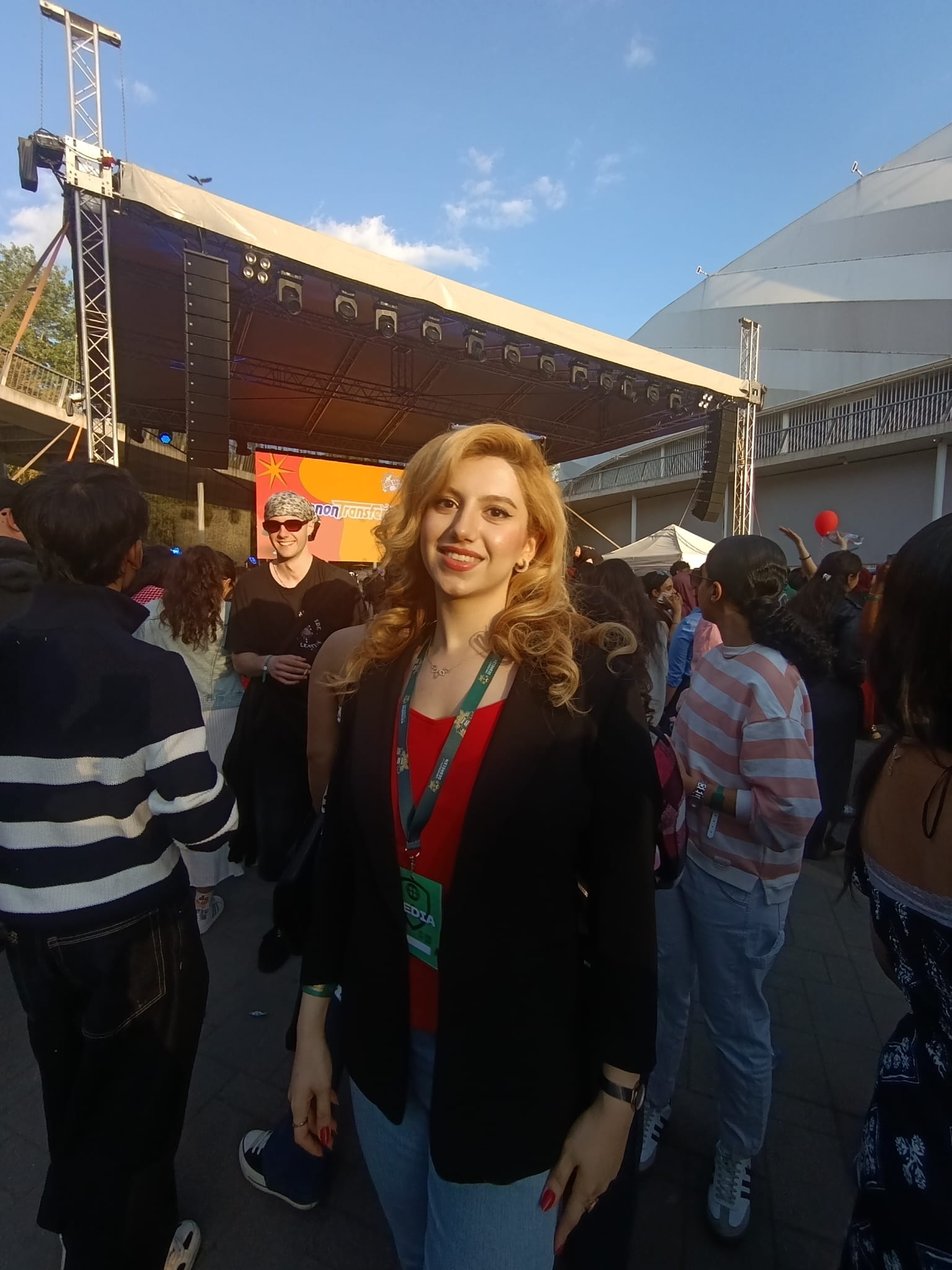
“When the first event was held in 2005, foreign students at the University of Debrecen mainly came from the medical and health sciences programs. Over the past 21 years, thanks to the expansion of English-language programs, international students can now be found in almost every faculty, making Food Day a university-wide event. Its core idea, however, has remained: our students live harmoniously and in safety in Debrecen, despite global political conflicts. Even though there have been many conflicts in the world over the decades—such as the Yugoslav crisis in the 1990s or current wars—our students are not affected here, their studies continue undisturbed, and fortunately no conflicts arise in their daily life together,” said Attila Jenei, founder of Food Day and director of the university’s International Education Coordination Center.
According to Kevin Németh, president of the Student Union of the University of Debrecen, the success of this year’s 21st Food Day is shown by its growth compared to last year: 36 nations presented their cuisines, with more than 100 dishes served.
“Events like this truly show what a university community means. Every stand represents a story, a country, a community we may not yet know. What makes our university strong is that we don’t just study side by side—we genuinely connect with each other,” he emphasized.
He also noted that this year’s preparations required a very long shopping list, including nearly 500 kilograms of meat, some of which required special handling, such as halal and kosher products.
From Mexico to Kenya, Nigeria to Cyprus, and the Philippines to South Korea, the International Food Day once again also served a charitable purpose. The organizers—the Student Union of the University of Debrecen and the International Student Union—will again donate part of the event’s proceeds to a good cause.
(unideb.hu)


