


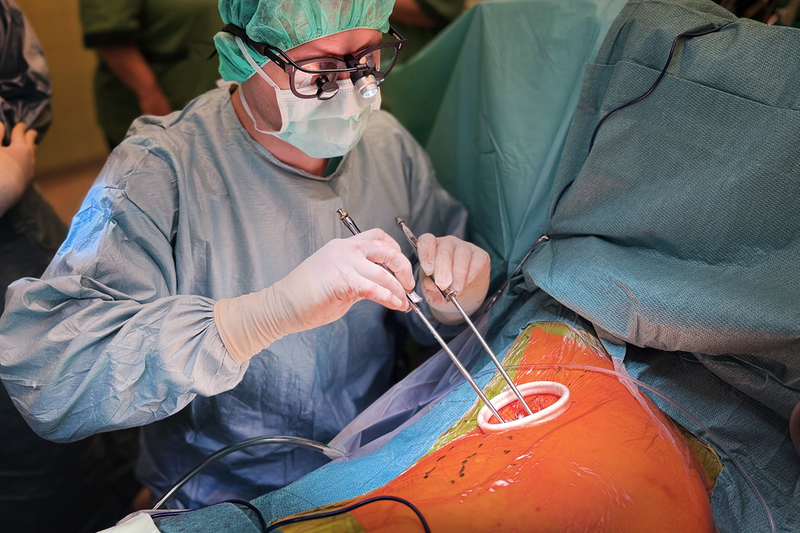
Worldwide, both medical professionals and patients are showing growing interest in minimally invasive surgical techniques, made possible by 21st-century technologies and increasingly sophisticated surgical instruments. Cardiac surgeons at the University of Debrecen have long prioritized the introduction of the latest surgical methods, with specialists participating in domestic and international training programs before launching the minimally invasive surgery program. Over the past year and a half, the number of heart surgeries performed through small 5–8-centimeter incisions has steadily increased, and these procedures have now become part of everyday clinical practice.
According to Associate Professor Tamás Szerafin, head of cardiac surgery at the university’s Department of Cardiology and Cardiac Surgery, most of the procedures performed so far have involved heart valves and major thoracic blood vessels. One of the longest-established minimally invasive approaches at the clinic involves only a partial division of the sternum, leaving its lower third intact. This preserves the structural integrity of the chest, causes less disruption to breathing mechanics, reduces tissue trauma and blood loss, lowers post-operative pain, and decreases the risk of wound infections.
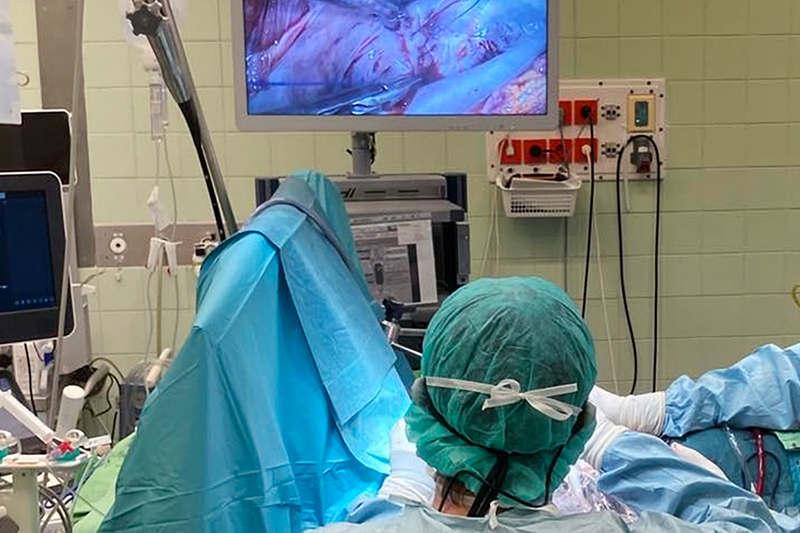
In recent years, most heart valve operations have also been carried out using minimally invasive techniques through a 4–5-centimeter incision between the ribs on the right side of the chest. During mitral and tricuspid valve procedures, surgeons use specialized cameras that provide enlarged three-dimensional images, allowing valve repair procedures that preserve the patient’s own valve and restore its natural function to be performed with greater precision and efficiency.
The greatest advantage of the intercostal approach is that surgeons can access the heart from the side of the chest without cutting through the sternum. Patients typically regain physical activity more quickly and experience fewer wound-healing complications. The technique also offers cosmetic benefits, as some incisions are made beneath the armpit, leaving scars virtually invisible when the arms are lowered.
Chief Cardiac Surgeon Tamás Maros said development will continue, with plans to expand the range of minimally invasive procedures later this year to include coronary artery bypass operations and interventions aimed at treating certain types of cardiac arrhythmias, such as atrial fibrillation. He noted that these techniques ensure the highest level of surgical care for heart patients in the region.
Cardiac surgeon and senior instructor Tamás Debreceni emphasized that determining whether a patient is suitable for minimally invasive heart surgery requires more than routine cardiological examinations. Special CT scans and respiratory function tests are also necessary. Based on these assessments, surgeons can determine which type of procedure is best suited for each patient.
(unideb.hu)


